You can leave the city on a Friday afternoon and be by the fireplace in about two hours. That easy access is why so many NYC and North Jersey families keep a second home in Mount Pocono. You want a place that feels like vacation without turning into a second job. This guide shows you what daily life, costs, seasons, and rental logistics really look like so you can decide with confidence. Let’s dive in.
Why Mount Pocono works
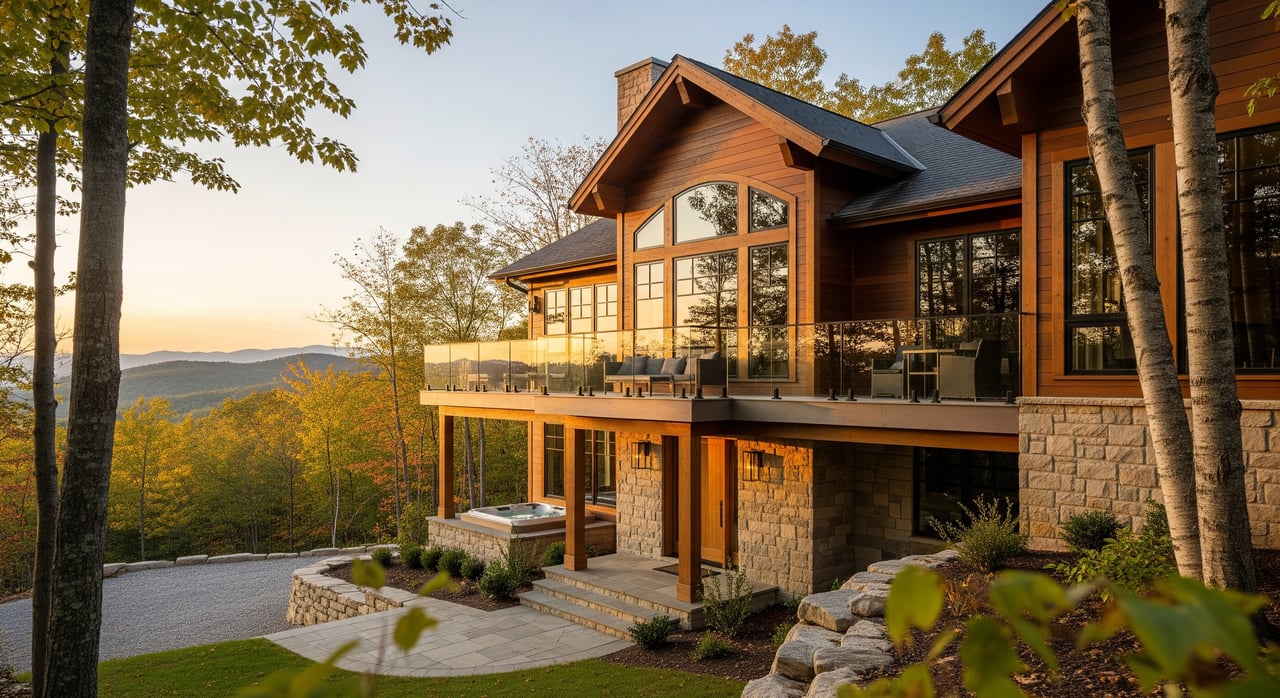
Mount Pocono sits at the heart of the Poconos in Monroe County. Most owners drive from NYC or northern New Jersey, with typical door-to-door times around 1.5 to 2.5 hours depending on where you start and traffic. The area offers year-round activities, from skiing and snow sports in winter to lakes, hiking, and waterparks in summer, plus resort and casino options that keep things lively in all seasons.
Historically, the Poconos have been more price-accessible than many Hudson Valley or Berkshires markets, though values vary by proximity to lakes, ski areas, and major resorts. For current pricing and inventory, you’ll want a local market update before you buy.
What to buy
Single-family homes
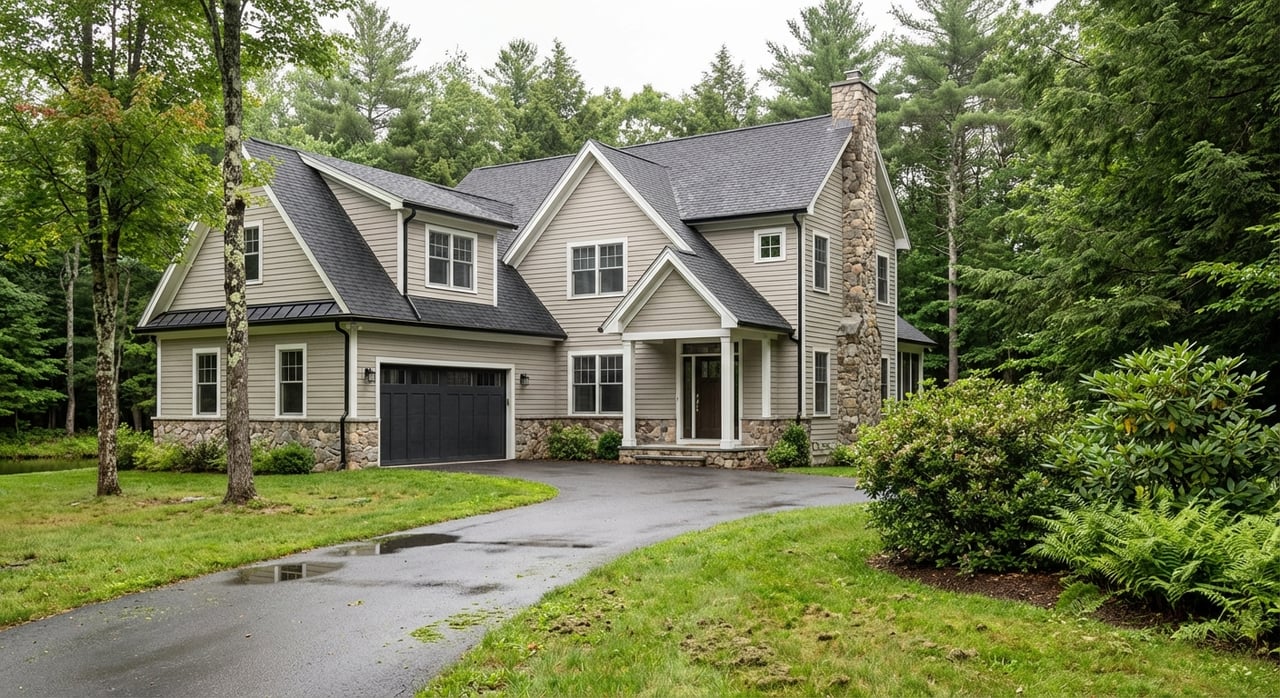
You’ll find classic chalets, cozy cabins, ranches, and newer suburban-style homes. These are the go-to for families who want space, a yard, and privacy. You handle your own maintenance, so plan for lawn care, snow removal, and routine servicing.
Condos and townhomes
Condo living often means lower on-site maintenance. HOA or condo fees may cover exterior care, snow removal, and sometimes certain utilities. This can be a good fit if you want lock-and-leave convenience.
Resort and HOA communities
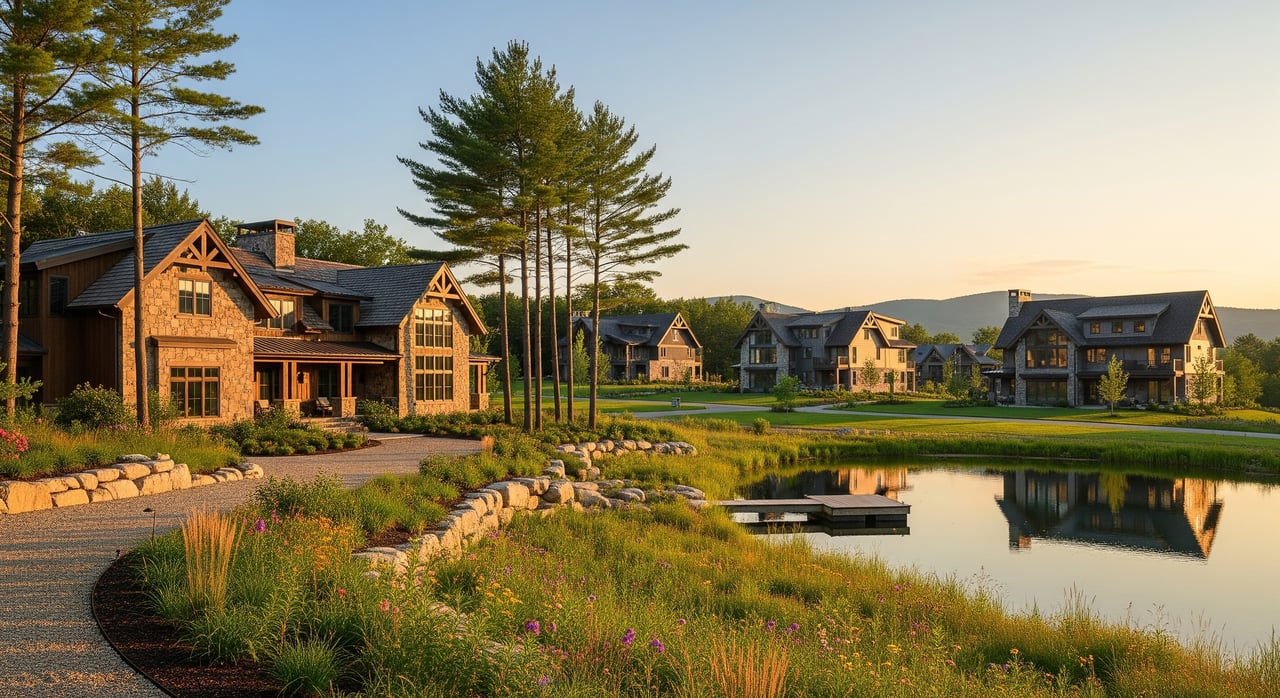
Many homes sit inside planned communities with pools, lakes, marinas, clubhouses, or golf. Expect HOA or POA dues. Review budgets, reserve funds, and rules, especially rental policies and exterior guidelines, before you commit.
Vacant land to build
Some buyers choose a lot and design their own cabin. Do your homework on utilities, septic design, driveway access, and tree clearing. Building can be rewarding, but it requires extra time and due diligence.
Ownership models and rentals
Most second homes are fee simple single-family properties. Condo ownership spreads some maintenance through monthly fees. If you plan to rent your home, check local short-term rental rules, permits, taxes, and insurance needs. Short-term rentals can boost income but require active management and guest logistics.
Daily realities
How you will use the home
Most weekenders come for holiday weekends, a few longer weeks in summer and winter, and big fall foliage weekends. Some visit 20 to 40 or more days a year, while others stick to school breaks and holidays.
Maintenance must-dos
Routine care includes landscaping, HVAC servicing, gutter cleaning, and roof checks. Seasonal work is key:
- Winter: snow removal, winterization if unoccupied, fuel delivery for oil or propane, and protecting pipes from freezing.
- Spring: septic check or pumping on a 3 to 5 year cycle, landscaping cleanup, exterior inspection.
- Fall: HVAC prep, gutter cleaning, roof and chimney checks, and swapping screens or storm windows as needed.
Before you buy, confirm heating type, well or municipal water, septic or sewer, and broadband options. Internet can vary by location, so verify service if you plan to work remotely.
Vacancy and peace of mind
Smart thermostats, smart locks, and water-leak sensors help when you are away. Many owners also keep a local contractor or property manager on call for emergencies.
Budgeting the ongoing costs
Owning a second home is easier when you plan a full-year budget. Expect:
- Mortgage payments if financed
- Property taxes and assessments
- Homeowners insurance, plus any vacancy or flood coverage if needed
- Utilities: heat, electric, water or well, sewer or septic, internet
- HOA or condo fees if applicable
- Routine maintenance and preventive repairs
- Snow removal and seasonal winterization
- Capital items like roofs, HVAC, driveways, and septic work
- If renting: management, cleaning, platform fees, and occupancy taxes
A common rule of thumb is to budget 1 to 3 percent of the home’s value per year for maintenance, but your actual needs will vary by property age, systems, and usage.
Seasons, fun, and rental demand
Winter
Skiing and snow activities drive strong demand, especially around holidays. Proximity to resorts can lift rates and occupancy during peak weeks.
Summer
Lakes, trails, and family activities draw longer stays. Weekend use is steady for NYC and North Jersey owners.
Fall
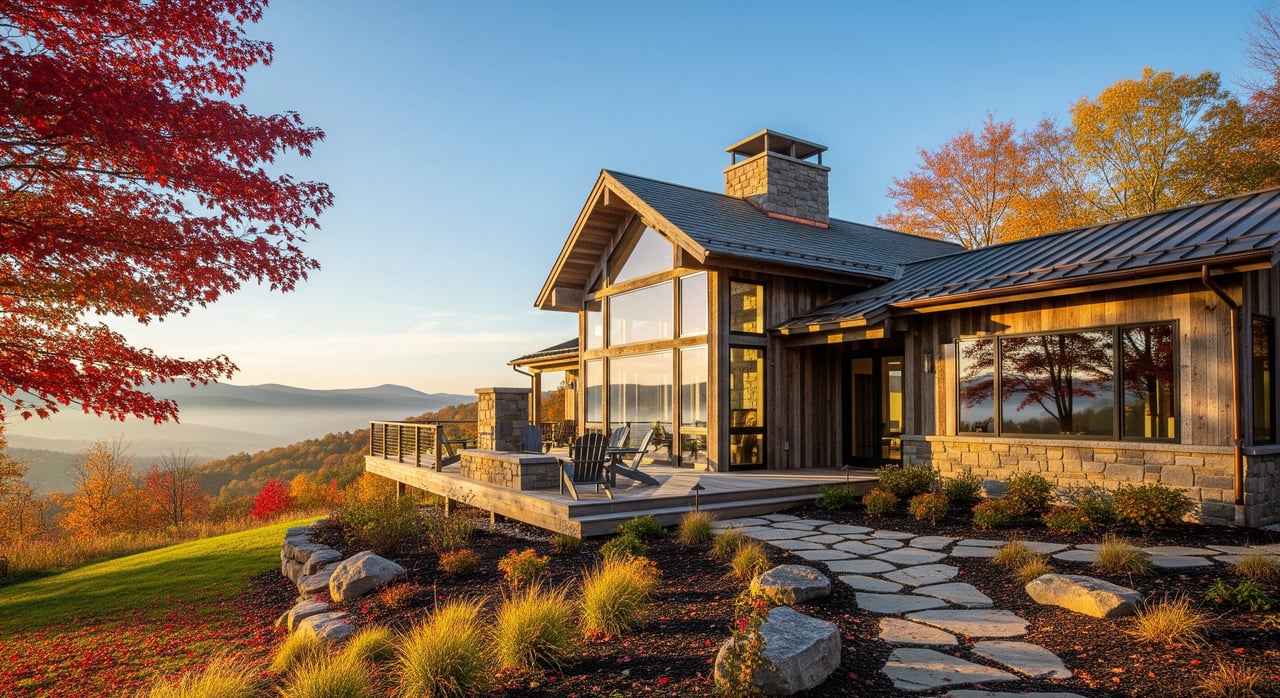
October leaf-peeping weekends are popular and often command high rates for rentals. Many owners plan personal visits then.
Shoulder seasons
Spring and late fall outside peak foliage are quieter. Many owners use these months for lower-cost visits and maintenance.
If you plan to rent
Demand is seasonal and tied to weather, events, and resort schedules. Weekends in summer, major holiday weeks, and peak fall weekends often earn the highest rates. Check your municipality’s rules for permits, inspections, occupancy limits, and local lodging taxes. Plan reliable cleaning and guest support between stays.
Rules, taxes, and services
Short-term rental rules vary by municipality. Check Mount Pocono Borough ordinances and Monroe County requirements for permits, inspections, and any local lodging taxes. Renovations and additions usually need permits, and well or septic work may require county or state approvals.
Pennsylvania sales tax and local lodging taxes may apply to rentals. Property tax rates vary by township and school district. Confirm current rates with local offices.
Water and sewer access differs by area. Some homes are on public systems, while others rely on private wells and septic systems. Broadband is strong near towns and resorts, but rural pockets can be limited, so verify speed and providers. Local contractors for snow removal, HVAC, septic, and property management are available. Line up contacts early.
Insurance matters, too. Ask about vacancy endorsements, weather-related exclusions, and wind or hail deductibles. If you plan to rent, you may need a specialized short-term rental policy.
How Mount Pocono stacks up
Mount Pocono is generally a closer drive for NYC buyers than many Berkshires towns and comparable to some Catskills and Hudson Valley areas. The region offers a broad range of price points, with values influenced by proximity to lakes, ski areas, and major attractions. Year-round indoor and outdoor options make the area easy to enjoy in every season. Rental potential is solid but seasonal, with strong competition around the biggest weekends.
Buyer checklist
- Test your commute at different times and days
- Confirm electric provider, internet options and speeds, and propane or oil delivery
- Inspect well and septic, and review pumping and service records
- Order a full home inspection and add specialists for chimney, HVAC, roof, and foundation
- Get insurance quotes that cover vacancy, weather, and any short-term rental use
- Review HOA or condo budgets, reserves, minutes, and rental policies
- Check Mount Pocono Borough and Monroe County short-term rental rules, permits, and local lodging taxes
- Set up local contacts for snow, HVAC, plumbing, and a property manager if needed
- Build your annual budget, including a maintenance reserve of 1 to 3 percent of home value
Local help, without the guesswork
You deserve a second home that is easy to enjoy and simple to manage. Our owner-operated team knows the rhythms of the Poconos, from HOA realities to rental logistics and seasonal maintenance. Whether you are buying your first weekend place or optimizing a home you already own, we will walk you through every step and connect you with the right local pros. Ready to explore options and get a plan tailored to your goals? Reach out to Saw Creek Real Estate, LLC for friendly, practical guidance.
FAQs
How long is the NYC or North Jersey drive to Mount Pocono?
- Most owners report 1.5 to 2.5 hours door to door, depending on starting point, traffic, and time of day.
What ongoing costs should I expect for a Mount Pocono second home?
- Budget for taxes, insurance, utilities, HOA or condo fees if applicable, routine maintenance, snow removal, and a 1 to 3 percent annual maintenance reserve, plus rental-related costs if you host guests.
Can I short-term rent my Mount Pocono home when I am not there?
- Often yes, but rules vary by municipality and community; expect permits, inspections, local lodging taxes, and specialized insurance if you plan to host.
Do many Mount Pocono homes use well and septic systems?
- Yes, some areas use private wells and septic while others have public water and sewer; confirm during due diligence and plan for regular septic maintenance.
Is internet reliable for remote work throughout Mount Pocono?
- Service is generally better near towns and resorts, while more rural areas may have limited options; verify providers and speeds at the specific address before you buy.
What winter tasks should second-home owners plan for in Mount Pocono?
- Arrange snow removal, protect plumbing from freezing, schedule fuel deliveries if using oil or propane, and consider smart home monitoring or a local caretaker when you are away.