Choosing between an HOA home and a non-HOA place in Mount Pocono can feel like two very different paths. You want the right balance of cost, control, and convenience for how you live or weekend. In this guide, you will see how fees, rules, amenities, maintenance, financing, and resale differ around the borough and nearby Pocono communities so you can buy with confidence. Let’s dive in.
Mount Pocono HOA vs non-HOA basics
Mount Pocono sits in Monroe County in the Pocono Mountains. The area draws full-time families, retirees, weekenders, and investors from the NYC and Philadelphia regions. You will find single-family homes, townhomes, condos, and planned or resort-style developments.
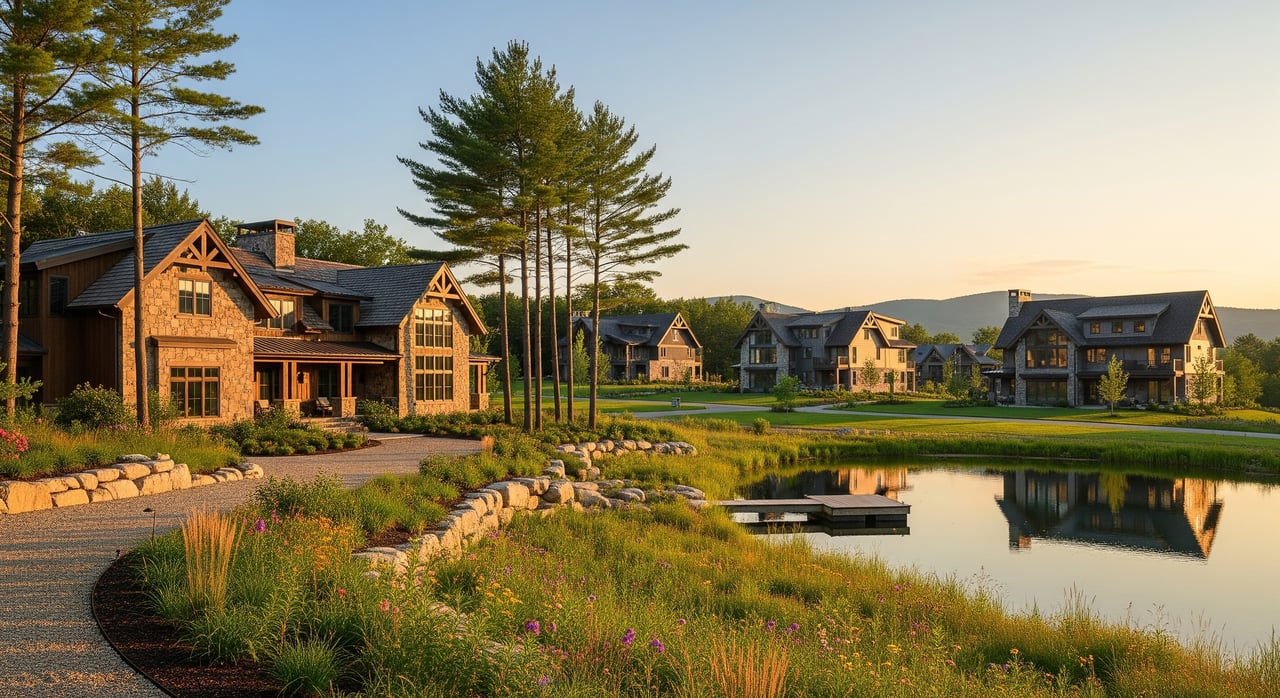
Many planned and amenity-rich communities here use HOAs to manage common areas and services. Non-HOA options tend to be older neighborhoods or rural parcels that give you more flexibility on use and design. The best fit depends on how much structure and service you want versus how much freedom you need.
Fees and budget planning
HOA fees are paid monthly, quarterly, or annually to cover shared services. What you pay depends on the community and its amenities. Fees can include common area upkeep, private road care, snow removal, landscaping, insurance for shared elements, reserves, and management.
Ask about extra costs beyond dues. These may include transfer or estoppel fees at closing, penalties if dues are late, and special assessments for big repairs. Review the association’s budget, reserve fund, and delinquency rate. A weak reserve or high delinquency increases the chance of assessments.
Amenities and lifestyle tradeoffs
HOAs often include amenities that appeal to weekenders and families. Pools, playgrounds, tennis, clubhouses, and shuttles to local attractions are common in resort-style settings. This can make second-home ownership easier and more social.
Non-HOA homes usually offer more privacy and freedom. You can often make exterior changes within local zoning rules without seeking HOA approval. The tradeoff is that you will not have shared amenities unless you add them yourself.
Maintenance and seasonal needs
In many HOAs, the association maintains common areas and sometimes exterior elements, especially in condo and townhouse projects. Owners typically handle interiors. In single-family HOAs, you may still be responsible for your exterior while the HOA maintains roads and shared spaces.
Non-HOA owners handle all maintenance, repairs, and landscaping. That means more control, but also more time and cost. In the Poconos climate, snow removal, winterization, and protecting pipes from freezing add to your seasonal checklist. If you are an absentee owner, HOA-included services can be a major benefit.
Rules and everyday flexibility
HOAs use CC&Rs, bylaws, and architectural guidelines to set and enforce standards. Common rules address paint colors, fencing, parking, pets, vehicle storage, and noise. Enforcement can include fines, loss of privileges, and in serious cases liens.
Non-HOA properties are not governed by private rules, but they still follow borough and county codes. If you prefer to renovate on your own timeline or store certain vehicles, a non-HOA property can offer more flexibility within local ordinances.
Resale, financing, and insurance
Well-run HOAs with good amenities and upkeep can attract buyers who want that lifestyle. High fees or weak finances can push buyers away. For condos, lenders and insurers review the association’s documents and may require project approval for certain loan types. FHA and VA programs have specific condo standards.
Non-HOA properties do not carry association underwriting. Your financing hinges more on the home, lot, and comps. On insurance, HOAs carry a master policy for common areas and, in condos, often the building shell. You still need the right personal policy. Condo owners usually carry an HO-6 for interior and contents. Single-family owners need a standard homeowner policy and should confirm what, if anything, the HOA covers.
Who benefits most and why
Weekenders and second-home buyers
- You may value low-maintenance living, security, and amenities that make weekends easy. HOAs can offer snow plowing, common area care, and on-site management. Confirm rental rules, winter services, and response times before you buy.
Family primary residents
- Predictable upkeep and neighborhood standards can support long-term comfort. Playgrounds and common areas can be a plus. Review rules for additions, fencing, pets, and owner participation so you understand how decisions are made.
Retirees and low-maintenance seekers
- Landscaping and snow removal bundled into dues can simplify day-to-day life. Look closely at reserves and vendor quality to make sure services remain steady over time.
Investors and STR operators
- Rental policies vary by HOA. Some prohibit or limit short-term rentals. Non-HOA homes may be more flexible, but you must still follow local zoning and any registration rules. Verify occupancy limits, caps, and approvals before you rely on rental income.
Due diligence checklist
Use this list to compare specific properties and communities before you make an offer.
If you are considering an HOA property
- CC&Rs, bylaws, rules and architectural guidelines
- Current budget, operating statements, and reserve fund status
- Reserve study and recent capital projects
- Board meeting minutes from the past 12 to 24 months
- Any pending or past litigation involving the association
- Full fee schedule, recent assessments, and any proposed increases
- Current delinquency rate and collection practices
- Management agreement and vendor contracts for key services
- Master insurance declarations and what owners must insure
- Estoppel letter at contract stage, plus any noted violations
- Rental policy and application requirements
If you are considering a non-HOA property
- Borough and county zoning and permitting requirements
- Any recorded deed restrictions or neighborhood covenants
- Short-term rental rules and registration needs
- Snow removal plan, driveway upkeep, and utility easements
- Parking limitations or on-street rules
Smart questions to ask during showings
- Who maintains the roof, siding, decks, driveway, and roads at this property?
- What is the snow removal plan and typical timeline in winter?
- How often have special assessments occurred and what did they cover?
- How active is homeowner participation and how are disputes handled?
- Are there any pending projects that could affect dues or access?
Your next steps in Mount Pocono
If you want convenience and amenities, a well-run HOA can make weekend or full-time living simple. If you want maximum freedom and lower recurring fees, a non-HOA property may fit better. The right choice depends on your lifestyle, budget, and plans for the home.
You do not have to sort it out alone. Connect with the local team at Saw Creek Real Estate, LLC for practical guidance, property tours, and help reviewing documents. Explore Saw Creek listings or call our office for a personal tour.
FAQs
How much are HOA fees in Mount Pocono?
- Fees vary widely by community and amenity level, so review the specific HOA budget, inclusions, and any planned assessments before you buy.
Can I use a Mount Pocono HOA home for short-term rentals?
- It depends on the HOA’s rules and local ordinances; confirm rental caps, registration requirements, and any occupancy limits before you count on rental income.
In a condo versus a single-family HOA, who fixes the roof and driveway?
- Condos often cover the building exterior and shared structures under the master policy and budget; single-family HOA owners are usually responsible for their own exterior while the HOA maintains common areas and private roads.
Are HOAs a good fit for absentee or second-home owners?
- Many are, since they can include snow removal, common area care, and community oversight, though you should weigh the dues, rules, and any rental restrictions.
What happens if an HOA has low reserves?
- Owners may face higher dues or special assessments to fund needed projects, which is why reviewing the reserve study and financials is essential.
Will an HOA affect my mortgage approval?
- Condo loans often require project eligibility review, and some loan programs have additional approval standards; talk with your lender early to confirm requirements.