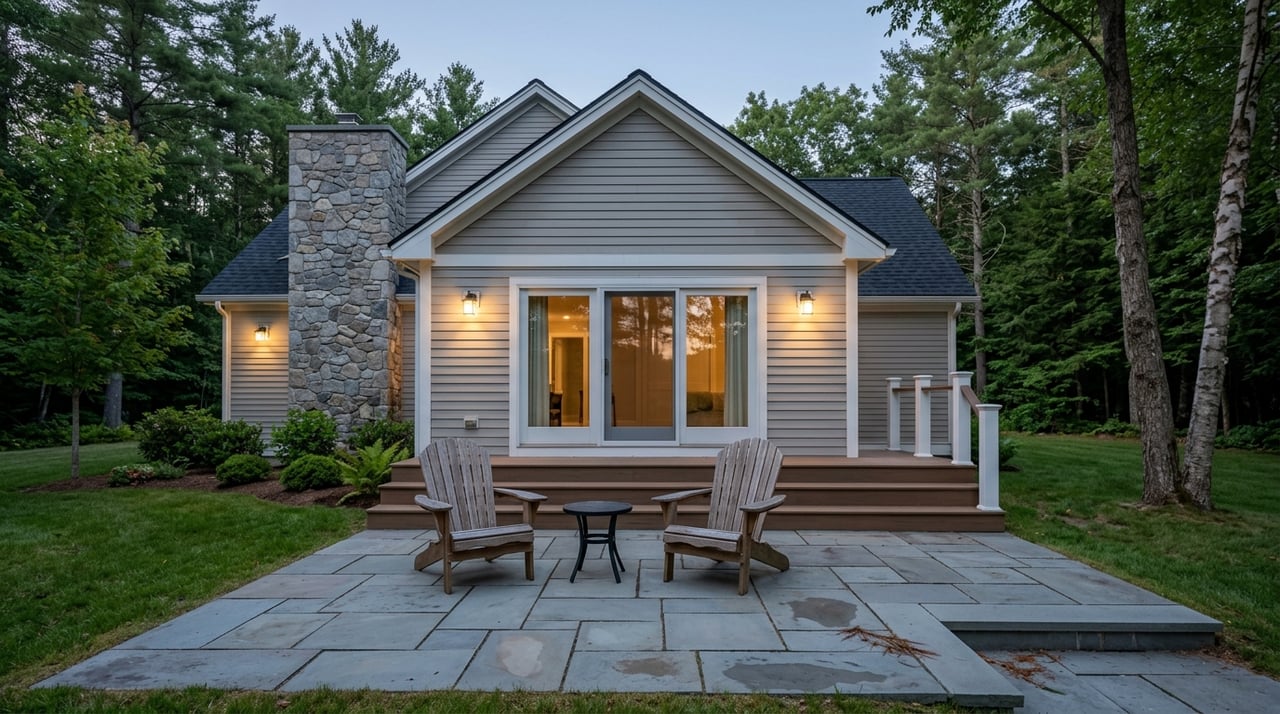
Wondering whether your Saw Creek home can help generate income when you are not using it? You are not alone. Many owners buy here for the four-season lifestyle, but rental rules in Saw Creek Estates are layered, and the answer depends on the type of rental you want to offer. This guide will help you understand what looks workable, what appears limited, and what steps you should verify before you move forward. Let’s dive in.
Why Saw Creek Draws Rental Interest
Saw Creek Estates has several features that naturally make owners think about rental use. It is a private, gated, four-season community in Bushkill with 24/7 public safety, multiple pools, tennis courts, lakes, a beach, a restaurant and bar, and a private ski area.
The location also adds to the appeal. Saw Creek sits next to Delaware Water Gap National Recreation Area, which is known for scenic river access and broad outdoor recreation opportunities. That mix of amenities and nearby recreation helps explain why the area can attract both second-home owners and guests looking for a mountain getaway.
There are also practical ownership benefits worth noting. The community has municipal water and sewer, high-speed internet, and a staffed management structure. For owners, that can reduce some of the day-to-day friction that sometimes comes with homes in more lightly managed areas.
Rental Options in Saw Creek
Long-term rentals look like the clearest path
For most owners, long-term rental use appears to be the most straightforward option. Saw Creek’s current rental policy defines a long-term rental as a stay of more than 60 days.
If you plan to rent long term, you need to follow the community’s requirements carefully. The policy calls for a fully executed written lease, required HOA language, and tenant registration within two business days of arrival. It also says only members in good standing may rent their property.
If you live more than 15 miles away, there may be another step. Absentee owners outside that radius must name a local point of contact unless the rental term is longer than 60 days.
Short-term rentals appear very limited
Short-term rental potential in Saw Creek is much narrower. Lehman Township’s current short-term rental guidance says new short-term rentals are not permitted in residential zones in the township.
At the same time, Saw Creek’s rental policy still references township short-term rental permits, and some community listings mention active or transferable permits. The most practical reading is that some legacy or grandfathered situations may exist, but broad new short-term rental eligibility appears highly restricted.
That means you should not assume a home can be used as a vacation rental just because it is in a resort-style community. In Saw Creek, short-term rental use looks permit-dependent and highly specific to the property.
Seasonal stays may not mean easy approval
Some owners assume a seasonal or occasional rental falls into a gray area. In practice, you should treat it as a compliance question from the start.
If the stay is not more than 60 days, Saw Creek treats it under the short-term rental framework rather than the long-term one. That is important because the shorter the stay, the more likely you are to run into township permit limits and added HOA requirements.
Guest Use Can Still Trigger Rules
This is one of the biggest points owners miss. According to Saw Creek’s rental policy, if the deeded owner is absent or does not permanently live in the home with the non-owner occupant, those occupants are treated as renters or tenants, even if they are relatives and even if no rent is charged.
In simple terms, occasional guest use is not automatically outside the rules. If you are a part-time owner and you let friends or family use the home while you are away, registration and compliance requirements may still apply.
That makes careful planning important for second-home owners. If your goal is flexible personal use with occasional guest stays, you will want to understand how the community classifies that use before you make assumptions.
The Compliance Order Matters
A helpful way to think about rental activity in Saw Creek is as a three-layer process. You should look at township rules first, HOA rules second, and tax obligations third.
1. Check township eligibility
The first question is whether the rental type you want is even allowed under current Lehman Township rules. For short-term rentals, this is the critical first checkpoint.
2. Review Saw Creek HOA requirements
If the use is allowed at the township level, the next step is community compliance. Saw Creek requires tenant registration, written lease documentation, and owner good standing.
The HOA also says rentals without a valid township permit can be cited. It prohibits subletting and rental arbitrage as well.
3. Confirm tax and filing obligations
After zoning and HOA review, you should confirm state and county tax requirements. This matters most for shorter stays and any rental activity that may trigger occupancy-related taxes.
Costs Owners Should Include in the Math
Rental income is only part of the picture. If you are evaluating whether renting makes sense, you should also account for community fees and carrying costs.
As of the 2026 Saw Creek policy, rental properties are subject to a $325 annual fee. There is also a $50 non-refundable registration transaction fee and a $75 expedited fee if tenant paperwork is filed late.
HOA dues also support services like safety patrol, maintenance, road work, snow removal, garbage collection, lifeguards, and ski operations. Those services add value to ownership, but they should still be part of your rental planning and profitability review.
Tax Points to Verify Before Listing
If a rental stay is under 30 days, Pennsylvania’s hotel occupancy tax applies at the same rate as sales tax, which is currently 6%. The state says this can apply to rentals of rooms, apartments, and houses arranged through online or third-party brokers.
If a third-party booking platform collects and remits the tax for you, you generally may not need to register separately. If not, the Pennsylvania Department of Revenue says the homeowner must register for a Sales, Use, and Hotel Occupancy Tax License and file electronically.
Pike County also imposes a 3% hotel room rental tax on transient room rentals. Since collection procedures can change, it is smart to verify the current remittance process with county offices before offering any qualifying stay.
What This Means for Saw Creek Owners
If you own in Saw Creek, the most defensible takeaway is clear. Long-term rentals and carefully documented owner or guest use appear to be the strongest paths, while short-term rental opportunities appear narrow and dependent on specific permit status.
That does not mean rental use is off the table. It means success depends on matching your goals to the rules that apply to your property.
If you are thinking about buying with rental use in mind, or you already own and want to understand your options, local guidance matters. In a community like Saw Creek, details such as lease length, owner occupancy, registration timing, and permit history can make a big difference.
A local brokerage that works in Saw Creek every day can help you think through those details before you commit to a plan. If you want practical guidance on buying, selling, or managing a rental-capable property in the community, Saw Creek Real Estate, LLC can help you sort through the options and take the next step with confidence.
FAQs
Is a short-term rental allowed in Saw Creek Estates?
- New short-term rentals are not broadly permitted in residential zones in Lehman Township, so short-term rental use in Saw Creek appears very limited and may depend on legacy or grandfathered permit status.
Is a long-term rental allowed in Saw Creek Estates?
- Yes. Saw Creek’s policy allows long-term rentals over 60 days if you follow the required lease, registration, and owner standing rules.
Do guests count as renters in Saw Creek Estates?
- They can. If you are not present or do not permanently live in the home with the occupants, Saw Creek may treat those occupants as renters or tenants even if they are relatives and even if no rent is charged.
What fees apply to rental properties in Saw Creek Estates?
- Under the 2026 policy, rental properties are subject to a $325 annual fee, a $50 non-refundable registration transaction fee, and a $75 expedited fee for late paperwork.
What taxes should Saw Creek rental owners verify?
- For stays under 30 days, you should verify Pennsylvania hotel occupancy tax requirements and Pike County’s local hotel room rental tax process before listing.
Why do owners consider rentals in Saw Creek Estates at all?
- Saw Creek’s gated setting, four-season amenities, private ski area, and proximity to Delaware Water Gap recreation make it a community that naturally attracts second-home interest and guest-lodging demand.