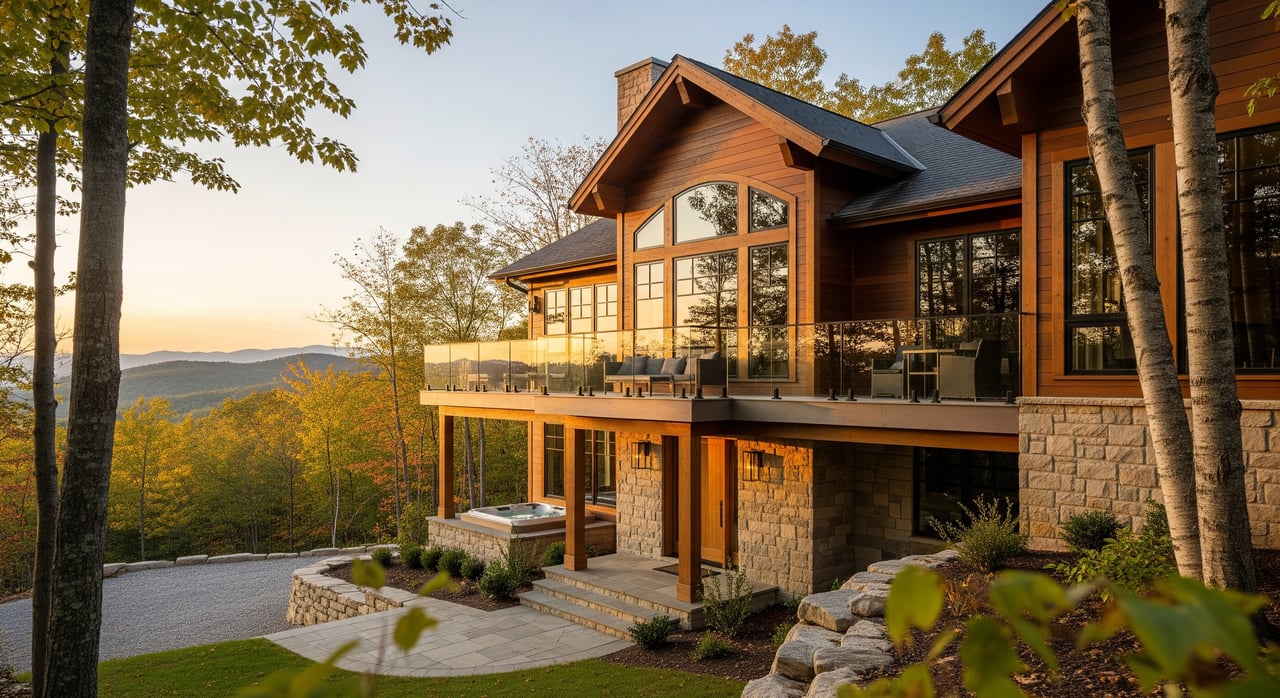
Thinking about listing your Pocono Mountains home for short stays? The rules can feel messy — and missing one step can cost you time, money, or even force you to stop renting.
You want a clear path to understand permits, inspections, HOA limits, taxes, insurance, and what kind of income to expect. This guide gives you a practical, real-world overview so you can make a confident decision and avoid surprises.
f your home is located in a planned community, start by reviewing the neighborhood you’re in, because HOA rules can be stricter than local ordinances. Browse our Pocono communities here: Neighborhoods.
SHORT-TERM RENTAL BASICS
A short-term rental (STR) usually means renting a home or unit for fewer than 30 days at a time. The exact definition can vary by municipality, so your first step is always to confirm:
-
How your township/borough defines an STR
-
Where STRs are allowed (zoning)
-
Whether a permit, license, or registration is required
DO THIS FIRST. Don’t furnish the home, don’t run income projections, and don’t buy based on “STR potential” until you confirm the rules for that specific address.
WHO SETS THE RULES IN THE POCONO MOUNTAINS
STR rules in the Poconos are shaped by multiple layers. Each layer controls different pieces:
PENNSYLVANIA (STATE LEVEL)
-
Building, fire, and life-safety standards generally follow the PA Uniform Construction Code
-
You may need compliant smoke/CO alarms, safe egress, and occupancy limits based on code
-
STR stays may trigger state tax registration and filings (depending on how rentals are set up)
COUNTY LEVEL
Depending on the county (Monroe, Pike, etc.), you may run into:
-
local hotel/tourism tax rules
-
additional administrative requirements
-
property/health/building involvement for certain property types
MUNICIPALITY (TOWNSHIP / BOROUGH)
This is where most STR “yes/no” rules live:
-
zoning eligibility
-
permits and renewals
-
inspections
-
occupancy limits
-
parking, noise, trash, nuisance enforcement
-
penalties and revocation
HOA / CONDO ASSOCIATION
Even if the township allows STRs, the HOA can still prohibit or limit them through recorded rules.
REALITY CHECK:
Most STR failures happen because buyers verify the township — but ignore the HOA documents until it’s too late.
This is especially important in amenity-rich Pocono communities where rental rules vary by neighborhood. See the communities we serve here: Neighborhoods.
WHAT TO CONFIRM WITH THE TOWNSHIP OR BOROUGH
Your fastest path to clarity is a direct conversation with the municipal zoning/code office. Ask for current rules in writing.
Use these questions:
-
Is there an STR ordinance, and which property types does it cover (SFH, condos, townhomes)?
-
Is my zoning district eligible?
-
Is a permit/license required? What are the fees and renewal timelines?
-
Are there occupancy limits per bedroom or per unit?
-
Any minimum stay requirements?
-
Parking rules — including guest limits and on-street parking restrictions?
-
Trash rules and pickup expectations for guests?
-
Quiet hours / nuisance enforcement — how do complaints get handled?
-
Are inspections required initially and/or annually?
-
Do I need a local 24/7 contact person?
-
What triggers fines, suspension, or permit revocation?
KEEP COPIES of all forms, fee schedules, and any written guidance.
INSPECTIONS AND SAFETY: WHAT TO EXPECT
Most municipalities expect STRs to meet baseline life-safety standards. Specific requirements vary, but common expectations include:
-
Smoke and CO alarms (proper placement + testing)
-
Safe egress for bedrooms / sleeping areas
-
Occupancy limits (sometimes tied to code calculations)
-
Fire extinguisher (often Class ABC) and basic emergency info
-
Electrical/plumbing fixes if the home is older or flagged
-
Proof of insurance that allows short-term rental activity
BEST PRACTICE: Create a simple house manual with emergency contacts, exit routes, parking rules, and quiet hours. It prevents guest problems and reduces neighbor complaints.
HOA AND DEED RESTRICTIONS: THE STEP PEOPLE SKIP
If your property is in an HOA/POA or condo association, review documents before you commit.
If you’re buying in a community like Saw Creek Estates or Country Club of the Poconos, the HOA documents matter just as much as township rules — sometimes more.
Look for:
-
STR bans or rental caps
-
minimum rental periods (30/60/90 days)
-
registration requirements for guests
-
parking limits and enforcement
-
amenity access rules for guests
-
fines, security deposits, and damage fees
Also review recent meeting minutes for pending rental rule changes.
GET WRITTEN CONFIRMATION if the association has any approval/registration process. That’s how you avoid “we told you so” disasters later.
TAXES: WHAT YOU MAY OWE
STR income can trigger multiple taxes. Plan early so you don’t get surprised.
Possible items to confirm:
-
PA tax registration requirements for STR stays
-
county hotel/tourism tax (if applicable)
-
whether your booking platform collects/remits some taxes
-
whether you still must file returns even when platforms remit
KEEP CLEAN RECORDS: bookings, amounts collected, remittances, and filings.
ESTIMATING INCOME AND EXPENSES (WITHOUT FANTASY NUMBERS)
STR demand in the Poconos is seasonal:
-
winter (ski season)
-
summer (lakes/outdoor)
-
fall foliage
-
holidays and long weekends
Demand and pricing also depend on the type of neighborhood — lake communities, ski-adjacent areas, and amenity communities can perform very differently. Explore Pocono neighborhoods we cover: Neighborhoods.
Build your model in steps:
STEP 1 — MARKET RESEARCH
-
pull comparable STR listings by bedroom count, location, and amenities
-
track rates by season (not just peak weekends)
-
note cleaning fees, minimum stays, and calendar gaps
STEP 2 — REVENUE ASSUMPTIONS
-
estimate average nightly rate by season
-
estimate weekend vs weekday occupancy separately
-
build a 12-month calendar (don’t average everything into one number)
STEP 3 — EXPENSES (THE PART PEOPLE UNDERESTIMATE)
Include:
-
mortgage + taxes
-
STR-appropriate insurance
-
utilities + internet
-
HOA dues (if any)
-
cleaning + turnover supplies
-
platform fees
-
maintenance + replacements reserve
-
snow removal / winterization
-
management fees (if using a manager)
REALITY CHECK: Many owners underestimate expenses and overestimate shoulder-season occupancy.
RISK, ENFORCEMENT, AND INSURANCE
If you operate without proper approvals, you may face:
-
fines
-
permit denial or revocation
-
orders to stop renting
-
insurance claim denial (worst case)
Reduce risk:
-
STR insurance or endorsement (standard homeowner policies often exclude STR activity)
-
a true 24/7 local contact
-
strict guest rules + posted occupancy limits
-
neighbor-friendly parking/trash plan
Also monitor municipal meetings and HOA updates because STR rules can change.
STEP-BY-STEP DUE DILIGENCE CHECKLIST
Before buying or launching an STR:
Step 0 (before anything else): confirm whether your property is inside an HOA community — you can start by identifying your neighborhood here: Neighborhoods.
-
Confirm municipal STR rules for the exact address (zoning, permits, occupancy, parking, inspections, penalties)
-
Confirm tax setup (state + county + platform remittance vs your filing duty)
-
Confirm HOA/POA rules (declaration, bylaws, house rules, minutes, fines)
-
Confirm insurance coverage for STR use
-
Build 3 pro formas: conservative / moderate / optimistic
-
Decide operations plan: self-manage vs manager
-
Create guest rules, house manual, and emergency response plan
WHEN SHORT-TERM RENTAL IS NOT A FIT
If your municipality restricts STRs — or your HOA prohibits them — a long-term rental may still work and often comes with:
-
fewer moving parts
-
steadier occupancy
-
simpler operations and turnover costs
You can reuse most due diligence and adjust your numbers accordingly.
HOW SAW CREEK REAL ESTATE, LLC CAN HELP
You deserve clear answers before you invest. Our local team can help you:
-
confirm municipal rules and zoning for a specific address
-
review HOA documents for rental rights and red flags
-
map out safety requirements and inspection expectations
-
build conservative, moderate, and optimistic pro formas
-
compare STR vs long-term rental paths realistically
Not sure where STR rules are friendly — or where HOA restrictions are strict? We can help you compare options by neighborhood and township. Start by exploring our Pocono communities: Neighborhoods. Then reach out to our team at Saw Creek Real Estate, LLC for a strategy call.
FAQS
ARE SHORT-TERM RENTALS ALLOWED IN THE POCONO MOUNTAINS?
It depends on the township/borough and the HOA/community rules. Always confirm zoning eligibility, permits, and HOA restrictions for the specific address.
WHAT INSPECTIONS ARE TYPICALLY REQUIRED?
Many areas require basic life-safety compliance such as smoke/CO alarms, safe egress, posted occupancy limits, and sometimes additional checks depending on the property type.
DO I NEED TO COLLECT STATE OR COUNTY TAXES?
Often yes, depending on how your rental is set up and where the property is located. Confirm state and county requirements and whether platforms remit taxes on your behalf.
CAN AN HOA STOP ME EVEN IF THE TOWNSHIP ALLOWS STRS?
Yes. HOA/condo rules can restrict or prohibit STRs regardless of municipal allowances.
HOW DO I ESTIMATE OCCUPANCY REALISTICALLY?
Use local comps, seasonal calendars, and run conservative/moderate/optimistic scenarios. Don’t build your numbers on peak weekends only.
WHAT ARE THE RISKS OF OPERATING WITHOUT APPROVALS?
Fines, permit revocation, orders to stop renting, and insurance gaps are the biggest risks.